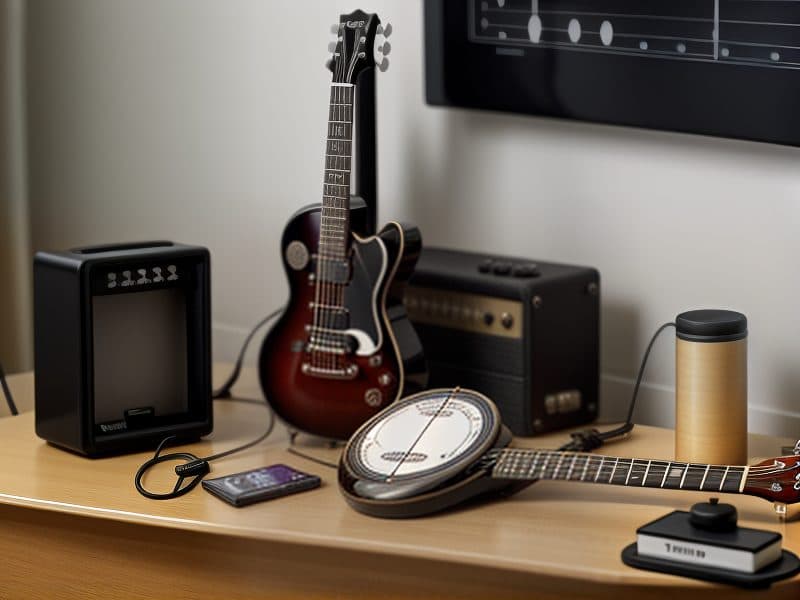
Your first electric guitar is a real decision. The wrong choice can discourage you from playing; the right choice can keep you playing for decades. This guide is for adult guitar students who are buying (or considering buying) their first electric guitar — with practical guidance on what to look for, what to avoid, and how to make a choice you'll be happy with.
Why the first guitar matters
A few specific reasons:
Affects how it feels to play
- Comfortable to hold — easier to play
- Easy to fret — easier to learn
- Sounds good — motivating
- Inspiring — to keep playing
The right fit keeps you playing.
Affects how you sound
- Quality construction — sounds better
- Good pickups — capture tone
- Stable tuning — stays in tune
- Reliable — for daily play
Good guitars sound better.
Affects your budget
- Buy once — or regret and replace
- Quality holds value — for resale
- Repair costs — lower for good guitars
- Longevity — for the investment
Good guitars last longer.
Affects your enjoyment
- Inspiration to play — matters
- Pride in ownership — matters
- Comfort — over hours of playing
- Connection — to the instrument
Enjoyment is real.
What to look for
A few specific things:
Comfort and feel
The most important factor:
- Body shape — fits your body
- Neck profile — fits your hand
- Weight — comfortable to hold
- Scale length — for your reach
Comfort matters most.
Playability
How easy it is to play:
- Action — string height
- Fret size — for your hands
- Neck width — for your fingers
- Cutaway — for upper frets
Playability matters.
Sound
How it sounds:
- Pickup configuration — for your music
- Tonewood — affects sound
- Hardware — affects tuning and sustain
- Overall character — for your taste
Sound matters.
Build quality
How well it's made:
- Fretwork — smooth, level
- Setup — out of the box
- Hardware quality — durable
- Brand reputation — for consistency
Build quality matters.
Used vs. new
Either can work:
- New — predictable, warranty
- Used — better value, character
- Vintage — for specific sounds
- Reissue — for vintage feel
Used vs. new depends on your needs.
Body styles
A few common types:
Stratocaster style
- Versatile — many genres
- Bright tone — typical
- Three single-coil — pickups
- Tremolo — many have one
- Comfortable body — contoured
Strat-style is versatile.
Telecaster style
- Bright, twangy tone — typical
- Two single-coil — pickups
- Simple controls — for blending
- Slab body — less contoured
- Classic country/rock — sound
Tele-style is bright and twangy.
Les Paul style
- Warm, thick tone — typical
- Humbucker pickups — typically
- Heavier body — weight
- Short scale — for comfort
- Rock and blues — common
Les Paul is warm and heavy.
SG style
- Light body — for weight
- Humbuckers — typically
- Fast neck — for speed
- Rock and metal — common
SG is light and fast.
Other body styles
- Jazzmaster — offset, versatile
- Mustang — short scale, surf
- Flying V — distinctive
- Explorer — distinctive
- PRS-style — modern, versatile
Other styles exist for specific needs.
Scale length considerations
A few specific things:
Short scale (24")
- Easier to play — shorter reach
- Warmer tone — typically
- Lower string tension — easier on fingers
- Good for — beginners, blues, jazz
Short scale is beginner-friendly.
Medium scale (25.5")
- Standard — for most electrics
- Versatile — for most styles
- Good for — rock, blues, country, pop
Standard scale is most common.
Long scale (25.5" or longer)
- Bigger sound — typically
- Higher tension — for the strings
- More challenging — to play
- Good for — certain styles
Long scale is for specific needs.
Consider your hands
- Small hands — short scale helps
- Larger hands — long scale fine
- Finger strength — affects preference
- Stretch comfort — for the work
Hand size matters.
Neck profile
A few specific things:
C-shape
- Round, comfortable — for most
- Easy to grip — for chords
- Versatile — for most styles
- Beginner-friendly — typically
C-shape is most common.
V-shape
- Tapered feel — vintage
- For certain hands — specifically
- Vintage character — for the look
- Specific styles — fit
V-shape is for specific players.
Asymmetric
- Contoured — for comfort
- More support — for thumb
- Modern — design
- Premium — typically
Asymmetric is modern.
Neck width
- Narrow — for small hands
- Wide — for fingerstyle
- Standard — for most
- Personal preference — matters
Width affects playability.
Pickup configuration
A few specific things:
Single-coil
- Bright, clear tone — typical
- Strat and Tele — classics
- Clean tones — typically
- Country, pop, funk — common
Single-coil is bright and clear.
Humbucker
- Warm, thick tone — typical
- Higher output — typical
- Less noise — hum-canceling
- Rock, blues, jazz — common
Humbucker is warm and thick.
P90
- Single-coil character — with more output
- Gritty — when pushed
- Vintage — tone
- Versatile — for many styles
P90 is a hybrid.
Active pickups
- Battery-powered — typically
- High output — typically
- Noise-free — typically
- Metal, hard rock — common
Active is for high-gain needs.
Combination
- HSS — humbucker-single-single
- HH — two humbuckers
- SSS — three single-coils
- HSH — humbucker-single-humbucker
Combinations offer versatility.
Budget considerations
A few specific things:
Under $300
- Budget options — exist
- Quality varies — significantly
- Setup matters — at this level
- Used is recommended — for value
Under $300: careful selection needed.
$300-$700
- Sweet spot — for many
- Good options — exist
- Reliable quality — from known brands
- Good value — for the money
$300-$700: sweet spot for most.
$700-$1500
- Premium options — for serious players
- Better materials — and construction
- Brand value — for resale
- Long-term investment — for the work
$700-$1500: serious investment.
Over $1500
- High-end — for specific needs
- Vintage or boutique — for collectors
- Premium construction — for tone
- Long-term hold — value
Over $1500: for specific needs.
What to avoid
A few specific mistakes:
Buying without playing
- Feels different — for each guitar
- Online buying — risky for first guitar
- Returns are — sometimes complicated
- Try before buying — important
Play before buying.
Focusing on brand only
- Every brand — has good and bad
- Specific model — matters more
- Individual guitar — varies
- Try the specific one — you're buying
Brand isn't everything.
Ignoring setup
- Cheap guitars — can play great with setup
- Expensive guitars — can play poorly without
- Setup matters — for playability
- Budget for setup — if needed
Setup matters.
Buying for looks
- Cool-looking guitar — may not play well
- Cool-playing guitar — may not look cool
- Find balance — for your priorities
- Play feel — over looks
Function over form.
Buying without commitment
- If you don't know — if you'll stick with guitar
- Used or starter — can be replaced
- When committed — invest more
- Buy accordingly — to your commitment
Match investment to commitment.
Practical tips
A few specific things:
Try before buying
- At a store — when possible
- Multiple guitars — for comparison
- At your skill level — for relevance
- Take your time — for the decision
Trying matters.
Bring a friend
- Guitar-playing friend — for input
- Player perspective — for advice
- Second opinion — for confirmation
- Helps decision — for clarity
A friend helps.
Consider future upgrades
- Pickups — can be changed
- Hardware — can be upgraded
- Necks — sometimes replaceable
- Bodies — usually permanent
Plan for upgrades.
Buy from reputable sellers
- Authorized dealers — for warranty
- Reputable used sellers — for used
- Reverb.com — common for used
- Local shops — for in-person
Reputation matters.
Budget realistically
- Guitar — the main cost
- Amp — if not included
- Cable — basic need
- Tuner — basic need
- Case — for protection
- Setup — if needed
Total cost adds up.
Working with a teacher
If you're taking lessons:
Ask your teacher
- About specific models — for your needs
- About specific guitars — at the store
- About used vs. new — for your situation
- About features — for your music
Teachers have opinions.
Buy similar to what they teach on
- Same scale length — for technique
- Similar setup — for transition
- Familiar feel — for instruction
- Easier to apply — what you learn
Match to what you learn on.
Consider used first
- Less investment — for commitment
- Quality used — is excellent
- Easy to upgrade — later
- Smart way — to start
Used is smart.
What we recommend
If you're considering your first electric guitar, here's our practical advice:
Start with what you'll play
- Music you love — inspires practice
- Style you want — to learn
- Sound you like — to make
- Comfortable to play — for hours
Start with your goals.
Buy once (within reason)
- Buy the best you can afford — within reason
- Quality holds value — for resale
- You keep playing longer — with good fit
- Long-term investment — for the work
Quality matters.
Take lessons first
- Decide your goals — for the work
- Try different guitars — with teacher guidance
- Make informed choice — for the work
- Start with teacher — before buying
Take lessons first.
What we offer
Hollywood Guitar Teachers offers beginner through advanced lessons in person and online across the LA area. We help you with equipment decisions — including what to buy, what to avoid, and how to find the right guitar for your goals. Free trial lessons available to discuss your setup and goals.
📞 Call (818) 873-6719 or request a free trial lesson online. Service area: Hollywood and surrounding LA communities.